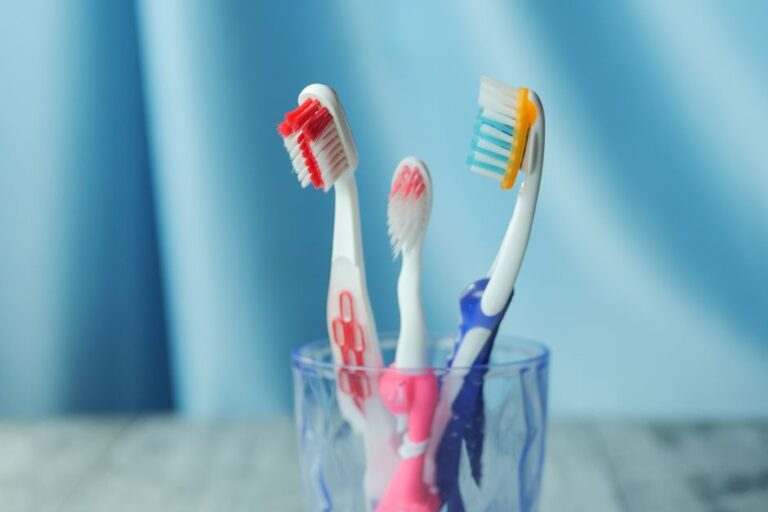
You brush twice a day, maybe even three times. You floss. You swish mouthwash until your eyes water. And yet, that stale, unpleasant odor lingers. If you’re dealing with bad breath even after brushing, you’re not imagining things, and you’re definitely not alone.
Persistent bad breath, clinically known as halitosis, affects roughly 1 in 4 people on a regular basis. The frustrating part is that brushing alone doesn’t always solve the problem, because the root cause often goes deeper than surface-level plaque.
At Smilerite Dental, we hear this concern from patients all the time. The good news? Once you understand what’s really driving that lingering mouth odor, there are clear steps you can take to finally get rid of it. Let’s break down the most common reasons your breath still smells after brushing and what you can do about each one.
Common Causes of Bad Breath That Brushing Can’t Fix
Brushing your teeth cleans the surfaces of your enamel, but bad breath rarely starts and ends there. Several factors contribute to halitosis after brushing teeth, and many of them require more than a toothbrush to address.
Tongue Coating and Bacterial Buildup
Your tongue is covered in tiny bumps called papillae, and bacteria love to hide between them. A white or yellowish coating on the back of your tongue is one of the most overlooked causes of bad breath. These bacteria produce volatile sulfur compounds, which are responsible for that rotten-egg smell.
Brushing your teeth without cleaning your tongue is like mopping the floor but ignoring the garbage can. A tongue scraper or even gentle brushing of the tongue surface can make a noticeable difference.
Gum Disease and Hidden Infections
Bad breath from gum disease is more common than most people realize. When plaque builds up below the gumline, it hardens into tartar and creates pockets where bacteria thrive. These pockets can’t be reached with a regular toothbrush.
If your gums bleed when you brush or floss, or if they appear red and swollen, gum disease could be driving your persistent bad breath. At Smilerite Dental, our team provides thorough periodontal evaluations and deep cleanings to address bacterial growth causing bad breath at its source.
Dry Mouth and Reduced Saliva Flow
Saliva is your mouth’s natural cleaning system. It washes away food particles, neutralizes acids, and keeps bacterial populations in check. When your mouth is dry, bacteria multiply quickly, leading to persistent mouth odor.
Dry mouth can be caused by certain medications, mouth breathing during sleep, dehydration, or medical conditions. This is also a major reason behind morning breath that won’t disappear, since saliva production drops significantly while you sleep.
Why Does My Breath Smell After Brushing? Look Beyond Your Mouth
Sometimes the answer to why does my breath smell after brushing has nothing to do with your oral hygiene routine. Several health conditions outside the mouth can cause chronic halitosis that no amount of brushing will resolve.
Tonsil Stones
Tonsil stones are small, calcified deposits that form in the crevices of your tonsils. They’re made up of trapped food debris, dead cells, and bacteria. The smell they produce is often described as sulfuric or foul, and it can be strong enough to cause persistent bad breath even with excellent dental care.
Many people don’t realize they have tonsil stones because they can be small and painless. If your breath still smells after dental care and you’ve ruled out other causes, this is worth investigating.
Sinus and Postnasal Drip Issues
Sinus drainage causing halitosis is another frequently missed culprit. When mucus from chronic sinusitis or allergies drips down the back of your throat, it creates a breeding ground for odor-producing bacteria.
If you notice your bad breath worsens during allergy season or when you’re congested, your sinuses may be part of the problem.
Digestive Issues and Systemic Conditions
Digestive issues and bad breath are closely linked. Conditions like acid reflux (GERD), H. pylori infections, and even certain liver or kidney conditions can produce odors that travel up through the esophagus and out through the mouth.
These underlying causes of bad breath require medical attention beyond dental treatment. However, your dentist is often the first professional to notice the signs and point you in the right direction.

How to Get Rid of Bad Breath for Good
Eliminating persistent halitosis requires a targeted approach based on what’s actually causing it. Here are practical steps that go beyond basic brushing.
Upgrade Your Oral Hygiene Routine
A complete routine includes more than just brushing. To truly combat lingering halitosis problems, make sure you’re doing the following:
- Brush for a full two minutes, twice daily, using fluoride toothpaste
- Clean your tongue every time you brush
- Floss daily to remove debris between teeth and below the gumline
- Use an alcohol-free mouthwash to avoid drying out your mouth
- Stay hydrated throughout the day to support saliva production
These habits address the most common surface-level contributors to bad breath despite good oral hygiene.
Get a Professional Dental Evaluation
If your bad breath won’t go away despite a solid home routine, a professional evaluation is the next step. A dentist can identify issues you can’t see or feel on your own, including early-stage gum disease, cavities, or failing dental work that traps bacteria.
Smilerite Dental offers comprehensive exams and preventive dental services designed to catch these problems early. We also provide restorative treatments for patients who need deeper intervention. For families managing busy schedules, our flexible hours and walk-in availability make it easier to get the care you need without the hassle.
Address Medical Causes with Your Healthcare Team
For chronic halitosis treatment that involves systemic issues like acid reflux, sinus conditions, or tonsil stones, coordination between your dentist and primary care provider is key. Your Smilerite Dental team can help identify when a referral is appropriate and work alongside your other providers to eliminate persistent halitosis from all angles.
Bad Breath Even After Brushing: When Should You See a Dentist?
Not every case of bad breath needs professional intervention, but certain signs suggest it’s time to schedule a visit:
- Your bad breath persists for more than two weeks despite improved oral hygiene
- You notice bleeding, swollen, or receding gums
- You have a persistent bad taste in your mouth
- You experience dry mouth regularly
- Others have mentioned your breath odor to you
These could indicate gum disease, decay, or another condition that requires treatment. The sooner you address it, the simpler and less costly the solution tends to be.
Smilerite Dental welcomes patients of all ages, including Medicaid and insurance-based patients looking for cost-effective dental solutions. Whether you need a routine cleaning or a more thorough evaluation for stubborn bad breath, our team is here to help.
Bad breath even after brushing is more than an embarrassment. It’s often a signal that something else is going on, whether it’s bacterial buildup on the tongue, early gum disease, dry mouth, tonsil stones, or a digestive issue. Brushing is important, but it’s just one piece of the puzzle.
The most effective way to eliminate persistent halitosis is to identify the specific cause and treat it directly. That starts with a thorough dental exam and an honest conversation with your care provider.
At Smilerite Dental, we help patients and families get to the bottom of stubborn oral health issues every day. From preventive cleanings and periodontal care to restorative and emergency services, we offer everything you need under one roof, with flexible scheduling that fits your life.
If your breath still smells after brushing and you’re ready for real answers, reach out to Smilerite Dental to schedule your visit. Fresh, confident breath is closer than you think.
Frequently Asked Questions
Why does my breath still smell bad after brushing my teeth?
Bad breath after brushing is usually caused by bacteria on the tongue, gum disease, dry mouth, or underlying health issues like acid reflux or tonsil stones.
Can gum disease cause persistent bad breath?
Yes, gum disease creates deep pockets below the gumline where odor-causing bacteria thrive, leading to persistent bad breath that brushing alone cannot fix.
How do I get rid of bad breath that won’t go away?
Start by cleaning your tongue daily, flossing, and staying hydrated, then see a dentist for a professional evaluation to rule out gum disease or other hidden causes.