

It’s one of those symptoms people tend to brush off.
“I’m just a little dehydrated.”
“It’s probably the weather.”
“I’ll drink more water.”
But when dry mouth becomes persistent when it interferes with sleep, makes swallowing uncomfortable, or leaves your tongue feeling thick and sticky , it stops being a minor inconvenience.
At Smile Rite Dental, we regularly see patients who didn’t realize that dry mouth (clinically known as xerostomia) is more than just a nuisance. It can, in fact, become a significant dental problem if left untreated.
So the real question is not simply “Why is my mouth dry?”
It’s “What happens if it stays that way?”
Most people don’t think about saliva unless they don’t have enough of it.
Saliva does much more than keep the mouth comfortable. It plays a critical protective role in oral health by:
Without adequate saliva, the mouth becomes more vulnerable to decay, infection, and inflammation.
At Smile Rite Dental, we often explain it this way: saliva is your mouth’s natural defense system. When that system weakens, problems can develop quickly.
The answer is both.
Dry mouth can originate from systemic or medical causes medications, autoimmune disorders, diabetes, radiation therapy, or dehydration. However, the impact of dry mouth is strongly dental.
When saliva production decreases, patients may experience:
In fact, some patients at Smile Rite Dental first discover they have dry mouths because of an unusual pattern of decay that doesn’t match their brushing habits.
The cause may be medical. The consequences are often dental.
Understanding the underlying cause is essential to treatment.
One of the most frequent causes of dry mouth is medication. Antidepressants, antihistamines, blood pressure medications, and certain anxiety medications commonly reduce saliva production.
Many adults do not realize their prescriptions contribute to the problem.
Chronic dehydration, particularly in warmer climates, can reduce saliva flow. Patients who consume large amounts of caffeine or alcohol may experience worsening symptoms.
Autoimmune disorders such as Sjögren’s syndrome specifically target salivary glands. Diabetes can also affect fluid balance and oral moisture.
H3: Mouth Breathing
Habitual mouth breathing especially during sleep can dry oral tissues significantly.
At Smile Rite Dental, we assess these contributing factors during routine exams. Dry mouth is rarely random.
Occasional dryness after a long flight or a poor night’s sleep is normal. Persistent symptoms require attention.
Watch for:
One patient described feeling like she constantly needed water at her bedside. She was brushing twice daily but continued developing small cavities near the gumline. After evaluating her medication list, we identified the likely cause.
Addressing dry mouth early prevented more extensive restorative treatment.
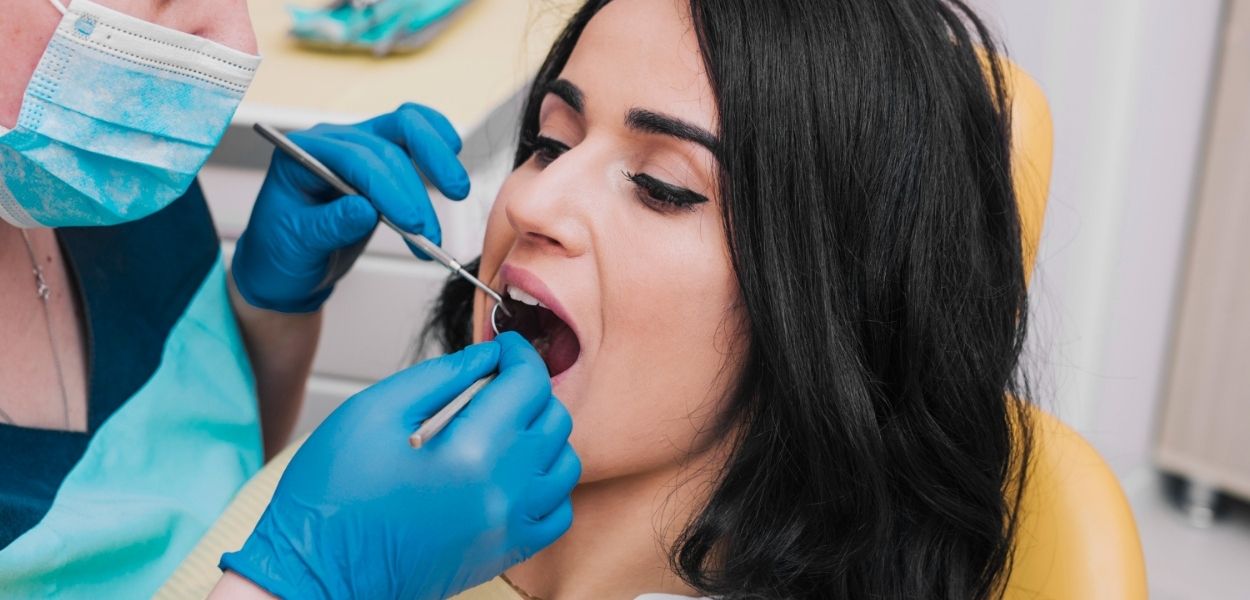
Cavities form when acid-producing bacteria break down enamel. Normally, saliva buffers these acids and assists in enamel repair.
Without sufficient saliva:
At Smile Rite Dental, patients with chronic dry mouth are often placed on customized preventive care plans. This may include high-fluoride toothpaste, more frequent cleanings, and dietary adjustments.
Prevention becomes proactive rather than reactive.
Treatment depends on the cause and severity.
Increasing water intake is foundational. Reducing caffeine and alcohol may also help.
Over-the-counter saliva substitutes can temporarily relieve symptoms. Sugar-free lozenges may stimulate natural saliva production.
In some cases, medical providers may prescribe medications that stimulate salivary glands.
At Smile Rite Dental, we frequently recommend:
Dry mouth treatment is not one-size-fits-all. It is tailored.
Yes.
Saliva supports not only dental health but also digestion and oral immunity. Chronic dryness may increase susceptibility to oral infections such as candidiasis.
Additionally, persistent discomfort can impact nutrition if eating becomes painful.
At Smile Rite Dental, we approach dry mouth as a condition that deserves attention, not dismissal.
A middle-aged patient visited our office complaining of sensitivity. Upon examination, we observed multiple early lesions near the gumline.
She was diligent about brushing. Her dietary habits were stable. The key variable? A recent change in blood pressure medication.
Once we identified the connection, we collaborated with her physician, adjusted preventive care, and stabilized her enamel health.
The issue wasn’t hygiene. It was wet.
It can increase cavity risk and oral infections if left untreated.
Hydration helps, but persistent dry mouth often requires additional management strategies.
Yes. Reduced saliva weakens the mouth’s natural protective mechanisms.
Yes. A dental evaluation at Smile Rite Dental can determine whether dryness is affecting enamel or gum health.
It depends on the cause. Medication-related dryness may improve with adjustments. Autoimmune-related cases may require ongoing management.
Dry mouth often develops gradually. Patients adapt. They sip water more frequently. They chew gum. They tolerate mild discomfort.
But the oral consequences may progress quietly.
Routine dental visits at Smile Rite Dental allow early detection. Subtle enamel changes can be identified before they become cavities. Preventive strategies can be implemented before restorations are necessary.
That is the difference between maintenance and repair.
Dry mouth may feel minor. It may seem like a side effect rather than a condition.
But saliva is not optional. It is essential.
If you’re experiencing persistent dryness, increased cavities, or discomfort, a professional evaluation at Smile Rite Dental can clarify the cause and prevent further complications.
Sometimes the smallest symptoms reveal the most important signals.
And in dentistry, paying attention early makes all the difference.
