It sounds like a simple question, but the answer isn’t always the same for everyone. Some people do well with a dental cleaning every six months, while others need to come in more frequently depending on their oral health history, lifestyle, and risk factors.
Skipping or delaying professional teeth cleaning is one of the most common reasons small dental issues turn into expensive, painful problems. Plaque and tartar don’t wait for your schedule to open up.
At Smilerite Dental, we help families, working adults, and patients of all ages stay ahead of cavities, gum disease, and other preventable conditions through consistent preventive dentistry. Knowing how often you should schedule your visits is one of the simplest ways to protect your smile for the long term.
The Standard Recommendation for Dental Cleaning Frequency
For most people, the general guideline is to get a dental cleaning and checkup every six months. This recommendation comes from the American Dental Association and has been the baseline for decades.
A twice-a-year schedule works well for patients who have healthy gums, practice solid daily oral hygiene, and don’t have a history of periodontal issues. During these visits, your dental hygienist performs a prophylaxis cleaning, which includes plaque removal, tartar removal, teeth polishing, and often a fluoride treatment.
These routine visits also give your dentist a chance to catch early signs of decay, gum inflammation, or other concerns before they progress. Think of it as regular maintenance rather than a repair visit.
Who Needs Dental Cleanings More Often Than Every Six Months?
Not everyone fits neatly into the twice-a-year schedule. Certain patients benefit from coming in every three to four months for professional oral care. Your dentist at Smilerite Dental will evaluate your individual needs and recommend a frequency that makes sense for your situation.
Patients with Gum Disease or a History of Periodontal Issues
If you’ve been diagnosed with gingivitis or periodontitis, more frequent cleanings are essential for gum disease prevention and management. Periodontal cleaning appointments, including scaling and root planing, help control bacteria below the gumline where your toothbrush can’t reach.
Without consistent follow-up, gum disease can lead to bone loss, tooth mobility, and eventual tooth loss. Patients who’ve had deep cleaning treatments typically need a maintenance schedule of every three to four months.
Smokers and Tobacco Users
Tobacco use significantly increases your risk of gum disease, plaque buildup, and teeth staining. Smokers tend to accumulate tartar faster and heal slower after dental procedures. More frequent professional teeth cleaning helps offset some of that damage and keeps your hygienist informed about any changes in your oral tissue.
Patients with Diabetes or Other Chronic Conditions
Diabetes and certain autoimmune conditions can reduce your body’s ability to fight infection, making your gums more vulnerable. If you manage a chronic health condition, your dentist may recommend a more aggressive oral hygiene treatment schedule to minimize risk.
Pregnant Patients
Hormonal changes during pregnancy can cause gums to swell, bleed more easily, and become more susceptible to infection. A dental checkup and cleaning during pregnancy is both safe and recommended to help protect both the mother and baby.
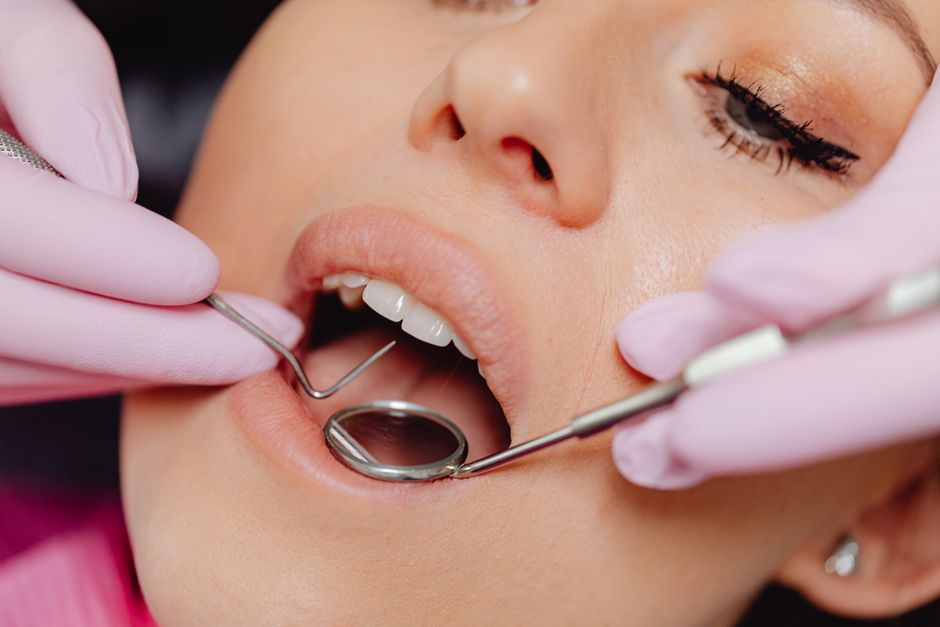
What Happens During a Routine Dental Cleaning?
A standard dental cleaning at Smilerite Dental is a straightforward process that typically takes 30 to 60 minutes. Knowing what to expect can make the experience less stressful, especially for kids or patients who haven’t been to the dentist in a while.
- Your hygienist examines your mouth for visible signs of decay, inflammation, or abnormalities.
- Tartar and hardened plaque are carefully removed from your teeth and along the gumline using specialized instruments.
- Your teeth are polished to remove surface stains and smooth the enamel.
- A fluoride treatment may be applied for added cavity prevention.
- Your dentist reviews any findings, discusses your oral health, and recommends next steps if needed.
This is a teeth maintenance procedure that prevents problems rather than fixing them after the fact. It’s one of the most cost-effective things you can do for your dental health.
What’s the Difference Between a Regular Cleaning and a Deep Cleaning?
A regular prophylaxis cleaning focuses on the surfaces of your teeth and along the visible gumline. It’s designed for patients with generally healthy gums and no significant buildup below the tissue.
A deep cleaning, also called scaling and root planing, goes further. It targets bacteria and tartar that have migrated below the gumline into the pockets around your teeth. This procedure is typically recommended when there are signs of gum disease, such as bleeding gums, persistent bad breath, or pockets that measure deeper than normal during a periodontal exam.
At Smilerite Dental, your dental team determines which type of cleaning you need based on a thorough evaluation. If a deep cleaning is recommended, it’s not something to put off. Treating gum disease early is far easier and more affordable than managing it once it has advanced.
Can You Wait Longer Than Six Months Between Dental Cleanings?
Some patients wonder if they can stretch their visits to once a year or even longer, especially if their teeth feel fine. While you might not feel any symptoms, that doesn’t mean everything is healthy beneath the surface.
Plaque can harden into tartar in as little as 24 to 72 hours, and tartar cannot be removed at home with brushing or flossing alone. Over time, tartar buildup leads to gum irritation, cavities, and bone loss. By the time you notice pain or sensitivity, the problem has often progressed beyond what a simple cleaning can fix.
Sticking to your recommended schedule is one of the most reliable forms of cavity prevention. The cost and effort of a routine dental checkup are far less than the cost of a root canal, extraction, or gum surgery down the road.
Why Smilerite Dental Makes Preventive Care Easy
At Smilerite Dental, preventive dentistry is at the core of everything we do. We understand that busy families and working adults need flexibility, and we’ve built our practice around that.
- We offer convenient scheduling with flexible hours to fit your routine.
- We accept Medicaid and a range of insurance plans, making professional oral care accessible and affordable.
- Our team provides comprehensive dental hygiene services for every member of the family, from pediatric cleanings to periodontal maintenance for adults.
- We also offer walk-in availability for patients who need immediate attention.
Whether you’re due for a routine cleaning, need teeth whitening and cleaning, or are overdue and not sure where to start, our team is here to help without judgment. We focus on making your visit as comfortable and efficient as possible.
Getting a dental cleaning on a regular basis is one of the simplest and most effective ways to maintain your oral health. For most people, every six months is the right cadence. For others, especially those managing gum disease, chronic conditions, or higher risk factors, more frequent visits are necessary to stay ahead of problems.
The key is not to guess. Let your dentist evaluate your specific situation and recommend a cleaning schedule that fits your needs.
Smilerite Dental is proud to serve families and individuals with thorough, affordable preventive care. From routine checkups and fluoride treatments to deep cleanings and periodontal maintenance, we provide the full spectrum of dental hygiene services under one roof.
If it’s been a while since your last visit, or if you’re simply ready to get back on track, reach out to Smilerite Dental to schedule your next dental cleaning. Your future self will thank you.
Frequently Asked Questions
How often should I get my teeth cleaned by a dentist?
Most people should get a professional dental cleaning every six months, though patients with gum disease or higher risk factors may need cleanings every three to four months.
What is the difference between a regular cleaning and a deep cleaning?
A regular cleaning removes plaque and tartar from the tooth surfaces and gumline, while a deep cleaning (scaling and root planing) treats buildup below the gumline to address gum disease.
Is it bad to skip dental cleanings if my teeth feel fine?
Yes, because plaque and tartar buildup can cause hidden damage like cavities and gum disease long before you feel any symptoms.