

Jaw pain is one of those symptoms people tend to tolerate longer than they should. It may start as a dull ache near the ears, a tight feeling in the jaw when waking up, or soreness that shows up while chewing. Many patients at Smile Rite Dental assume it’s stress-related or temporary until it begins to interfere with eating, speaking, or sleeping.
Jaw pain can come from several sources, but two of the most common culprits are TMJ disorders and teeth grinding (bruxism). Understanding the difference and knowing when jaw pain signals a deeper dental issue can help you get relief before the problem escalates.
The jaw is a complex system involving muscles, joints, teeth, and nerves. When something is off balance, pain can show up in ways that feel confusing or inconsistent.
Common sources of jaw pain include:
At Smile Rite Dental, jaw pain is evaluated as part of the entire oral system, not just a single tooth or joint.
The temporomandibular joint (TMJ) connects your jawbone to your skull and allows you to open, close, and move your mouth. Because this joint is used constantly talking, chewing, yawning, it’s especially vulnerable to stress and imbalance.
TMJ-related jaw pain may feel like:
TMJ disorders don’t always cause constant pain. Many patients experience flare-ups that come and go, which is why the condition is often overlooked early on.
Teeth grinding (bruxism) is one of the most common and least recognized causes of jaw pain.
Many patients grind or clench:
Over time, grinding puts excessive pressure on the jaw muscles and joints. Patients at Smile Rite Dental often come in for jaw pain and are surprised to learn that worn teeth, flattened edges, or jaw soreness point directly to grinding habits.
Left untreated, bruxism can lead to:
Jaw pain rarely stays isolated. Because of how nerves and muscles connect, it often spreads.
Patients may notice:
At Smile Rite Dental, these symptoms are taken seriously especially when they appear together. Treating the jaw often improves symptoms patients didn’t realize were connected.
Not all jaw pain comes from TMJ or grinding. In some cases, it’s a warning sign of an underlying dental issue.
Jaw pain should be evaluated promptly if it:
Infections, abscesses, or advanced decay can radiate pain into the jaw and surrounding areas. Early diagnosis at Smile Rite Dental can prevent complications and more invasive treatment.
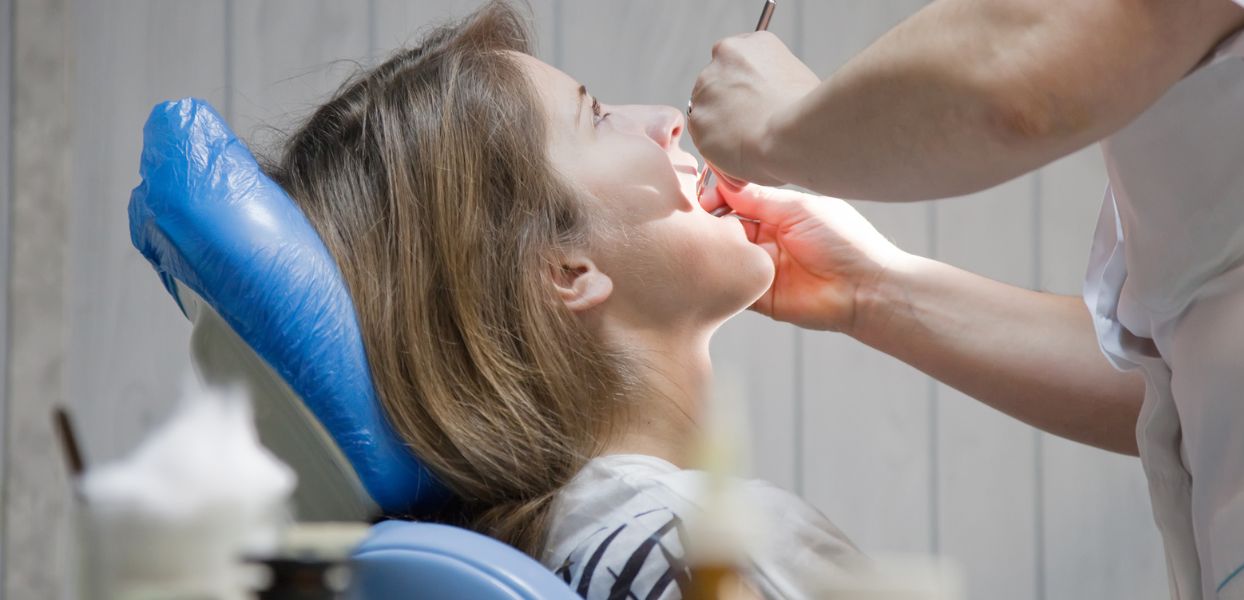
Jaw pain is not treated with assumptions. During an evaluation, the Smile Rite Dental team may:
This comprehensive approach helps identify whether jaw pain is muscular, joint-related, dental, or a combination.
You should schedule an evaluation at Smile Rite Dental if sensitivity:
In these cases, sensitivity may be linked to advanced decay, infection, or nerve involvement and delaying care can lead to more extensive treatment.
There is no single treatment for jaw pain because there is no single cause.
Depending on the diagnosis, Smile Rite Dental may recommend:
The goal is not just temporary relief, but long-term jaw stability and comfort.
While professional care is important, small changes can help reduce jaw strain:
What to avoid:
Smile Rite Dental can help determine which strategies are appropriate and which may cause more harm than good.
Stress often triggers clenching or grinding, which leads to jaw pain over time.
Not always, but clicking with pain or limited movement should be evaluated.
Can jaw pain go away on its own?
Yes. Custom guards from Smile Rite Dental protect teeth and reduce jaw strain.
Jaw pain affects more than your smile, it impacts daily comfort, sleep quality, and overall health. At Smile Rite Dental, jaw discomfort is treated as a meaningful symptom, not something patients should simply “live with.”
With locations in Houston and Channelview, Smile Rite Dental offers:
Whether jaw pain is caused by grinding, TMJ dysfunction, or an underlying dental issue, the focus is always on accurate diagnosis and lasting relief.
Jaw pain is common, but it’s not normal.
If your jaw feels sore, tight, or painful on a regular basis, your mouth may be signaling an issue that deserves attention. TMJ disorders and teeth grinding are highly treatable when caught early.
At Smile Rite Dental, patients don’t have to guess what their symptoms mean. They get answers, guidance, and care designed to restore comfort and protect long-term oral health.
