A brighter smile can do wonders for your confidence, but nobody wants whiter teeth at the expense of their long-term dental health. If you have been wondering whether teeth whitening is safe for enamel, you are not alone. It is one of the most common questions patients ask at Smilerite Dental before starting any cosmetic treatment.
The short answer is that professional teeth whitening, done correctly, does not damage healthy enamel. But there are important details worth understanding, from the type of whitening product you use to how your teeth are monitored throughout the process. The team at Smilerite Dental takes every precaution to make sure your smile gets brighter without compromising your enamel health.
Let’s walk through what actually happens to your enamel during whitening, which methods are safest, and how to protect your teeth before, during, and after treatment.
How Teeth Whitening Works on Enamel
To understand whether whitening damages enamel, it helps to know what is actually happening at the tooth level. Most professional whitening treatments use hydrogen peroxide or carbamide peroxide as the active bleaching agent. These compounds penetrate the outer enamel layer and break down stain molecules in the underlying dentin.
Enamel itself is a hard, mineralized surface. The bleaching agents do not strip it away or erode it. Instead, they pass through the microscopic pores in enamel to reach the discolored compounds beneath. When used at the correct concentration and for the right amount of time, the effect on enamel is temporary and minimal.
At Smilerite Dental, whitening gel concentrations are carefully selected based on each patient’s enamel condition, sensitivity level, and cosmetic goals. This personalized approach is a big part of what makes professional teeth whitening safety so much higher than DIY methods.
Does Teeth Whitening Damage Enamel?
No, properly administered teeth whitening does not cause permanent enamel damage. Research consistently shows that hydrogen peroxide and carbamide peroxide, at concentrations used in professional settings, do not cause lasting structural changes to enamel.
What can happen is temporary dehydration of the enamel surface. This is why teeth sometimes look extra white immediately after treatment and then settle into a more natural shade within a day or two. The enamel rehydrates on its own, and mineral content is restored through saliva.
Problems tend to arise when people overuse over-the-counter products, apply high-concentration gels without supervision, or use abrasive substances like activated charcoal or baking soda too frequently. Activated charcoal and baking soda can physically wear down enamel over time because of their high abrasiveness (measured by RDA value), unlike peroxide-based treatments which work chemically rather than mechanically.
Are Whitening Strips Harmful to Enamel?
Whitening strips from the drugstore generally use lower concentrations of hydrogen peroxide, which makes them relatively mild. However, the lack of custom fit means the gel can contact gum tissue unevenly or sit on teeth longer than intended.
Used occasionally and according to directions, most whitening strips are unlikely to cause meaningful enamel erosion. The risk increases when people use them more often than recommended or combine them with abrasive whitening toothpaste. If you are unsure whether strips are a good fit for your teeth, the dental team at Smilerite Dental can evaluate your enamel and recommend the safest option.
Whitening Toothpaste and Enamel Erosion
Many whitening toothpastes rely on mild abrasives to polish surface stains rather than chemical bleaching. While this can help with coffee or tea stains, highly abrasive formulas used daily can gradually thin your enamel over months or years.
Look for toothpastes with an RDA (Relative Dentin Abrasivity) value under 250. Better yet, ask your Smilerite Dental provider which products they recommend. Some patients benefit from a remineralizing toothpaste alongside their whitening routine to keep enamel strong.

Professional vs. At-Home Whitening: What Is Safer for Enamel?
Professional whitening at Smilerite Dental is the safest route for your enamel, and there are several reasons for that.
First, your dentist examines your teeth before treatment. Cavities, cracks, or areas of existing enamel wear are identified and addressed before any bleaching agent is applied. Whitening over compromised enamel is where real damage can occur, and that is exactly what a professional evaluation prevents.
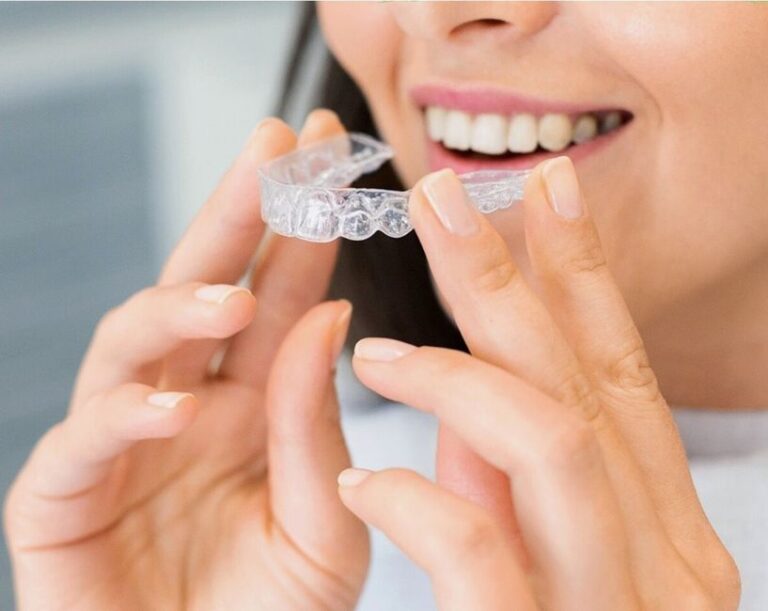
Second, the concentration of the whitening gel is matched to your needs. In-office treatments may use higher concentrations of hydrogen peroxide, but they are applied for shorter durations and under direct supervision. Custom take-home trays from Smilerite Dental also use a controlled amount of carbamide peroxide, ensuring even coverage without excess gel irritating your gums or soaking into enamel longer than necessary.
At-home kits from retail stores lack this level of customization. One-size-fits-all trays can lead to uneven whitening and unnecessary enamel exposure. For patients who value both results and enamel safety, professional treatment is the clear winner.
How to Protect Enamel During and After Whitening
Even with safe teeth whitening treatments, there are steps you can take to keep your enamel in top shape throughout the process.
Before Your Whitening Treatment
- Schedule a dental exam and cleaning at Smilerite Dental first. Removing plaque and tartar helps the whitening gel work more evenly and reduces the chance of irritation.
- Address any cavities or restorations that need attention. Whitening agents should only be applied to intact enamel.
- Discuss any history of sensitivity with your dentist so the treatment plan can be adjusted.
During the Whitening Process
- Follow your dentist’s instructions on timing and frequency exactly. More is not better with bleaching products.
- Use a desensitizing gel or fluoride rinse if recommended. Smilerite Dental often provides these alongside whitening treatments to minimize sensitivity after whitening and support enamel health.
- Avoid combining multiple whitening products at once. Using strips, whitening toothpaste, and a bleaching tray simultaneously can overwhelm your enamel.
After Your Treatment
- Give your enamel time to remineralize. Saliva naturally restores minerals to the tooth surface, so avoid acidic foods and drinks for 24 to 48 hours post-treatment.
- Consider a remineralizing toothpaste or one containing hydroxyapatite to support enamel restoration after bleaching.
- Maintain regular checkups at Smilerite Dental to monitor enamel condition over time, especially if you plan on periodic touch-up treatments.
What About Long-Term Effects of Whitening on Enamel?
Studies looking at the long-term effects of whitening on enamel have generally been reassuring. When treatments are spaced appropriately and performed under professional guidance, there is no evidence of cumulative enamel loss.
The key factor is moderation. Whitening once or twice a year with professional products is very different from bleaching every week with high-concentration gels. Your Smilerite Dental provider can help you set a schedule that keeps your smile bright without putting your enamel at risk.
Patients who follow best practices to minimize enamel damage, like using recommended products and attending regular dental visits, tend to enjoy long-lasting results with zero compromise to their oral health.
Why Smilerite Dental Patients Trust Our Whitening Services
At Smilerite Dental, cosmetic treatments like teeth whitening are not one-size-fits-all. Every patient receives a thorough evaluation before any bleaching product touches their teeth. We work with families, working adults, Medicaid patients, and anyone looking for convenient, trustworthy dental care.
Our whitening services include both in-office treatments for faster results and custom take-home kits for patients who prefer to whiten on their own schedule. Either way, enamel safety is built into every step of the process.
We also offer flexible hours and walk-in availability, so fitting a whitening consultation into a busy week is never a problem. If you have been putting off whitening because you were worried about your enamel, we are here to put those concerns to rest with a safe, effective treatment plan.
Teeth whitening, when done properly, is safe for your enamel. The bleaching agents used in professional treatments work chemically to lift stains without eroding or permanently altering your tooth structure. The risks people worry about usually come from overuse of retail products, abrasive substances, or whitening without a dental exam first.
Smilerite Dental takes a careful, patient-first approach to every whitening treatment. From evaluating your enamel before you start to recommending the right products for maintenance afterward, the goal is always a healthier, brighter smile you can feel good about.
If you are ready to explore safe teeth whitening treatments that protect your enamel, schedule a consultation with Smilerite Dental today. Your smile deserves both the brightness and the care.
Frequently Asked Questions
Does teeth whitening damage enamel?
Professional teeth whitening does not cause permanent enamel damage when applied at the correct concentration and under dental supervision.
Is professional whitening safer than at-home whitening strips?
Yes, professional whitening is safer because your dentist evaluates your enamel first and uses customized gel concentrations and fitted trays.
How can I protect my enamel during teeth whitening?
Get a dental exam before whitening, follow your dentist’s instructions on timing and frequency, and use a remineralizing toothpaste afterward.