You take ibuprofen, drink more water, cut back on screen time, and still the headache keeps coming back. What if the real source of the problem isn’t stress or dehydration but something happening inside your mouth?
Headaches caused by teeth are far more common than most people realize. Dental issues like grinding, clenching, bite misalignment, and even hidden infections can trigger pain that radiates from your jaw straight up into your temples and skull. The tricky part is that the connection between your teeth and your head isn’t always obvious.
At Smilerite Dental, we see patients regularly who have been dealing with recurring headaches for months or even years without realizing that a dental problem was the underlying cause. Understanding how your teeth, jaw, and head are connected can be the first step toward real, lasting relief.
How Can Dental Problems Cause Headaches?
Your teeth, jaw muscles, and skull are all connected through a network of nerves, joints, and soft tissue. When something goes wrong in your mouth, the pain doesn’t always stay there. It travels.
The trigeminal nerve is the main sensory nerve in your face, and it branches into your teeth, gums, jaw, and parts of your head. When a dental issue irritates this nerve, the pain can show up as a headache, temple pressure, or even what feels like a migraine. This is what’s known as a referred headache, meaning the pain originates in one spot but is felt somewhere else.
So yes, dental problems can absolutely cause headaches. The challenge is identifying which dental issue is responsible.
Teeth Grinding and Headaches: A Common Culprit
Bruxism, the medical term for teeth grinding and clenching, is one of the most frequent causes of dental headaches. Many people grind their teeth at night without even knowing it. Over time, the constant pressure on your jaw muscles creates tension that spreads into your temples, forehead, and the back of your head.
Signs You Might Be Grinding Your Teeth
Not sure if bruxism is behind your headaches? Here are some common indicators:
- Waking up with a dull headache, especially around the temples
- Jaw soreness or stiffness in the morning
- Worn, flattened, or chipped teeth
- Teeth sensitivity that seems to come and go
- Neck pain or tightness along with jaw tension
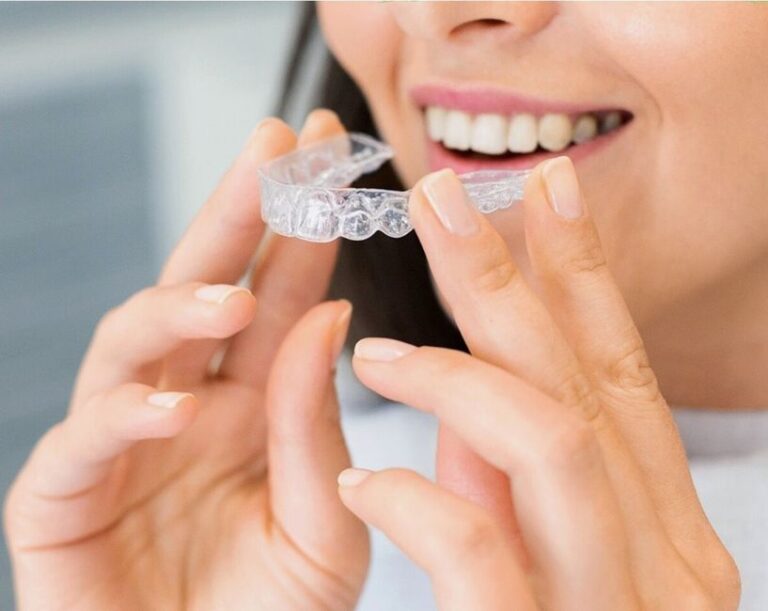
At Smilerite Dental, we can examine your teeth for signs of grinding and recommend solutions like a custom night guard to protect your teeth and reduce the muscle tension that causes those headaches.

TMJ Headaches: When Your Jaw Joint Is the Problem
The temporomandibular joint (TMJ) connects your jawbone to your skull on both sides of your face. When this joint becomes inflamed, misaligned, or overworked, it can produce significant pain that radiates into your head, ears, and neck.
TMJ headaches often feel like a tension headache or pressure around the sides of the head. They can also come with clicking or popping sounds when you open your mouth, difficulty chewing, or a locked jaw. Temporomandibular joint disorder is closely related to bruxism, since clenching and grinding put enormous strain on the TMJ.
How Smilerite Dental Can Help with TMJ Issues
TMJ disorders require a thorough evaluation to determine the root cause. Our team at Smilerite Dental performs detailed assessments of your bite, jaw alignment, and joint function. Depending on the situation, treatment might include a custom oral appliance, bite adjustment therapy, or recommendations for managing jaw tension through targeted exercises and lifestyle changes.
The goal is always to address the source of the problem rather than just masking the symptoms with painkillers.
Bite Misalignment and Headaches Caused by Teeth
When your teeth don’t line up properly, your jaw has to work harder to chew, speak, and even rest in a closed position. This extra effort puts strain on your jaw muscles and the surrounding tissue, which can lead to chronic tension headaches.
Malocclusion, or poor bite alignment, can result from crowded teeth, missing teeth, or natural jaw development. Many patients don’t realize they have a bite problem because they’ve adapted to it over the years. But that adaptation comes at a cost, often in the form of persistent headaches, neck stiffness, and facial fatigue.
Smilerite Dental offers orthodontic services and restorative treatments that can correct bite problems and relieve the strain that causes dental headaches. Straightening your teeth or replacing missing ones isn’t just about appearance. It can genuinely improve how you feel every day.
Can a Toothache Cause a Headache?
Absolutely. A toothache and headache often go hand in hand, especially when there’s an infection involved. An abscessed tooth or untreated cavity can irritate the nerves in your jaw and face, sending pain signals that register as a headache.
Dental infection headaches tend to be persistent and may get worse when you bend over or lie down. The pain can feel throbbing and may be concentrated on the same side as the affected tooth. Left untreated, dental infections can spread and lead to more serious health problems beyond just head pain.
If you’re dealing with a toothache that seems to radiate into your head, that’s your body telling you something needs attention. Smilerite Dental provides emergency dental care and walk-in services, so you don’t have to wait weeks to get help when you’re in pain.
Stress, Jaw Clenching, and the Headache Cycle
Stress plays a major role in dental headaches. When you’re stressed, your body tenses up, and for many people, that tension settles directly in the jaw. You might catch yourself clenching your teeth during a long commute, a tough day at work, or even while scrolling through your phone.
Jaw clenching headaches can become a cycle. Stress causes clenching, clenching causes pain, and pain increases stress. Breaking that cycle often requires a combination of dental intervention and awareness of your habits.
Simple steps can help:
- Keep your lips together but your teeth slightly apart during the day
- Avoid chewing gum or biting on pens
- Apply a warm compress to your jaw before bed
- Talk to your dentist about a night guard or bite splint
At Smilerite Dental, we take a practical, patient-focused approach. We’ll work with you to identify triggers and create a plan that actually fits your life.
When Should You See a Dentist About Your Headaches?
If you experience any of the following, it’s worth scheduling a dental evaluation:
- Frequent headaches with no clear medical explanation
- Morning headaches paired with jaw soreness
- Head pain that seems to follow a toothache or dental procedure
- Clicking, popping, or locking of the jaw
- Headaches that worsen with chewing or yawning
- Worn or damaged teeth you can’t explain
Many patients come to Smilerite Dental after seeing their primary care doctor and finding no clear cause for their headaches. A comprehensive dental exam can reveal issues that standard medical evaluations might miss, like subtle bite problems, early signs of bruxism, or a developing infection.
Headaches caused by teeth are more widespread than most people think, and they’re also very treatable once you know what’s going on. Whether the issue is grinding, TMJ dysfunction, bite misalignment, or a dental infection, the right diagnosis makes all the difference.
Smilerite Dental is here to help families and working adults get to the root of persistent headaches that may have a dental origin. We offer preventive care, restorative treatments, orthodontics, emergency services, and flexible scheduling to fit your needs. We also work with Medicaid and most insurance plans to keep quality dental care accessible.
If you’ve been struggling with headaches and haven’t considered your teeth as a possible cause, now is a great time to schedule an evaluation. The team at Smilerite Dental will take the time to listen, examine, and create a treatment plan that brings you real relief.
Frequently Asked Questions
Can dental problems cause headaches?
Yes, issues like teeth grinding, TMJ disorders, bite misalignment, and dental infections can irritate nerves that trigger headaches.
How do I know if my headache is from my teeth?
If your headaches come with jaw soreness, tooth pain, clicking in the jaw, or worn teeth, a dental issue may be the cause.
Can a night guard help with headaches caused by teeth grinding?
A custom night guard reduces the jaw muscle strain from grinding, which can significantly decrease tension headaches.