If you have ever noticed your jaw feeling tight, sore, or achy after a stressful day, you are not imagining things. Stress-related jaw pain is incredibly common, and for many people it becomes a recurring problem that disrupts sleep, causes headaches, and makes eating uncomfortable. The link between emotional stress and physical tension in the jaw is well documented. When the body enters a stress response, muscles throughout the face, neck, and jaw tighten involuntarily. Over time, this pattern can lead to chronic clenching, teeth grinding, and even temporomandibular joint disorder. At Smilerite Dental, our team regularly sees patients who had no idea that stress was the root cause of their jaw discomfort. Understanding this connection is the first step toward finding relief and protecting your teeth from long-term damage.
At Smilerite Dental, our experienced team combines the latest techniques with personalised care — because your smile deserves nothing less.
Book an AppointmentHow Stress Leads to Jaw Pain
Your body responds to stress by activating the fight-or-flight system. This triggers muscle tension across your shoulders, neck, and face. The jaw muscles, particularly the masseter and temporalis, are some of the strongest in the body, and they tend to absorb a significant amount of that tension.
Many people clench their jaw or grind their teeth without even realizing it, especially during sleep. This unconscious habit, known as bruxism, places enormous pressure on the teeth, gums, and temporomandibular joint. Over weeks and months, this repeated strain can cause persistent soreness, clicking sounds when you open your mouth, and dull pain that radiates through the face.
“This unconscious habit, known as bruxism, places enormous pressure on the teeth, gums, and temporomandibular joint.”
Anxiety jaw tightness is not limited to nighttime either. Stressful work environments, financial worries, or personal challenges can cause you to clench throughout the day. If you catch yourself holding tension in your jaw right now, that is a sign your body is responding to stress in real time.

Recognizing the Symptoms of Stress-Related Jaw Pain
Stress-induced jaw tension can show up in several ways, and the symptoms often overlap with other conditions. That overlap is exactly why so many patients visit Smilerite Dental unsure of what is causing their discomfort. Here are the most common signs to watch for:
Jaw Soreness and Facial Pain
A dull, aching pain along the jawline or in front of the ears is one of the most frequent complaints. This soreness often feels worse in the morning if you have been grinding your teeth overnight. Some patients also experience tension-related facial pain that extends into the cheeks and temples.
Tension Headaches and Ear Pressure
Chronic jaw clenching can trigger tension headaches that wrap around the sides of the head. Some people also feel fullness or pressure in the ears, which is often mistaken for an ear infection. These symptoms stem from the close relationship between the temporomandibular joint and the muscles surrounding the ear canal.
Clicking, Popping, or Limited Jaw Movement
If you hear clicking or popping sounds when you chew or yawn, the temporomandibular joint may be under stress. In more advanced cases, the jaw can lock temporarily in an open or closed position. These are signs of TMJ pain caused by stress that should not be ignored.
Worn, Chipped, or Sensitive Teeth
Teeth grinding wears down enamel over time, leaving teeth flat, chipped, or unusually sensitive. Your dentist at Smilerite Dental may notice these patterns during a routine exam before you even realize the damage is happening. This is one of many reasons regular dental visits matter.
Why Teeth Grinding and Stress Go Hand in Hand
Bruxism, the clinical term for teeth grinding, has a strong connection to psychological stress. Research consistently shows that people experiencing higher levels of anxiety, depression, or workplace pressure are significantly more likely to grind their teeth.
Nocturnal bruxism is especially problematic because you cannot consciously stop yourself from doing it while asleep. The forces generated during sleep grinding can be several times stronger than normal chewing, which explains why the damage accumulates so quickly.
Stress and teeth grinding create a frustrating cycle. The grinding causes jaw pain and disrupted sleep, which increases fatigue and stress, which then triggers more grinding. Breaking this cycle requires addressing both the physical symptoms and the underlying stress.
Effective Ways to Relieve Jaw Pain From Stress
The good news is that stress-related jaw pain responds well to a combination of dental treatment and self-care strategies. At Smilerite Dental, we work with patients to build a plan that addresses the problem from multiple angles.
Custom Night Guards
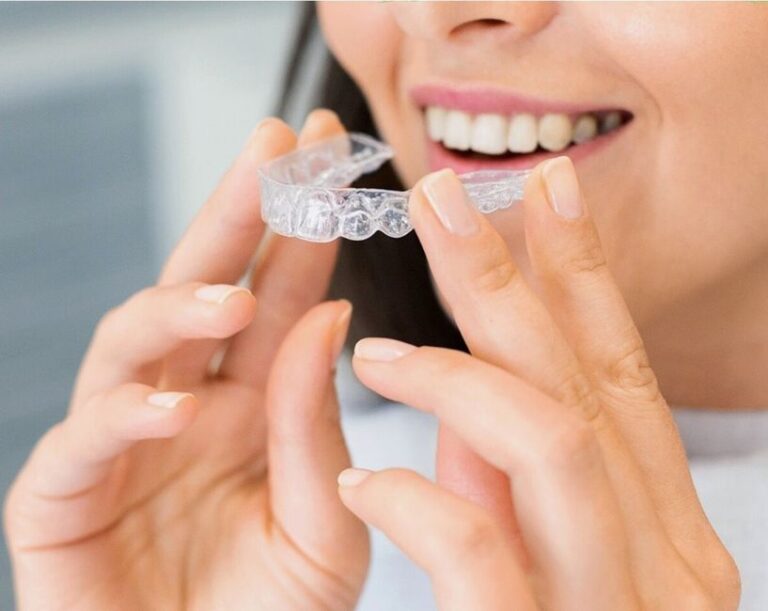
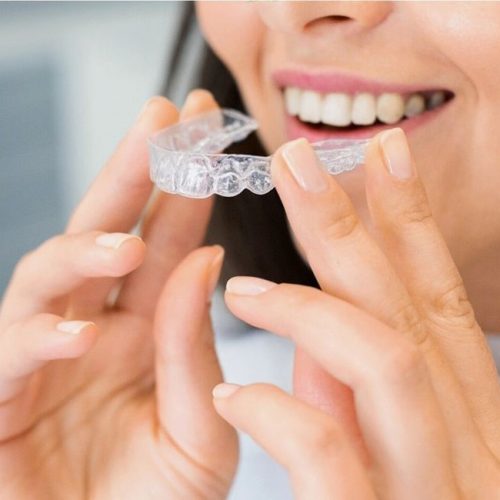
A custom-fitted night guard is one of the most effective tools for protecting teeth from nocturnal bruxism. Unlike over-the-counter options, a professionally made guard from Smilerite Dental fits precisely to your bite, reducing jaw strain while keeping your teeth safe from grinding damage.
Jaw Relaxation Exercises
Learning how to relax jaw muscles throughout the day can make a significant difference. Simple techniques include placing the tip of your tongue behind your front teeth to prevent clenching, gently massaging the jaw muscles in circular motions, and practicing slow, controlled opening and closing of the mouth. These small habits interrupt the clenching pattern before it builds.
Stress Management Techniques
Since stress is the driving force behind the tension, addressing it directly is essential. Deep breathing exercises, meditation, regular physical activity, and adequate sleep all help reduce the body’s overall stress response. Even short walks during the workday can lower muscle tension in the neck and jaw. For patients dealing with significant anxiety, professional counseling or cognitive behavioral therapy can be extremely beneficial.
Warm Compresses and Physical Therapy
Applying a warm, moist cloth to the jaw for 10 to 15 minutes can loosen tight muscles and ease myofascial pain dysfunction. For persistent cases, physical therapy focused on the jaw, cervical spine, and surrounding muscles may be recommended. Targeted stretching and manual therapy can relieve both cervical tension and jaw pain simultaneously.
When Should You See a Dentist for Jaw Pain?
Not all jaw discomfort requires professional treatment, but certain signs indicate it is time to schedule a visit. If your jaw pain lasts more than a week, if you wake up with frequent headaches, or if you notice your teeth are becoming worn or sensitive, a dental evaluation is a smart next step.
At Smilerite Dental, our team can examine your bite, assess the condition of your temporomandibular joint, and check for signs of bruxism-related damage. Early intervention prevents minor tension from turning into a chronic TMJ disorder that requires more involved treatment.
We also evaluate muscle tension in the neck and jaw area to understand the full picture. Sometimes what feels like a dental problem is actually a combination of stress, posture, and muscle imbalance that benefits from a coordinated approach.
Can Stress-Related Jaw Pain Be Prevented?
Prevention is absolutely possible once you understand your personal triggers. Awareness is the most powerful tool. Once you recognize that you clench when you are stressed, frustrated, or concentrating, you can build habits to interrupt the pattern.
Keeping your teeth slightly apart when your mouth is closed is a simple but effective technique. Your teeth should only touch when you are chewing. Resting with a small gap between your upper and lower teeth takes pressure off the temporomandibular joint and reduces muscle fatigue.
Regular dental checkups at Smilerite Dental also play a preventive role. Your dentist can spot early signs of grinding or jaw strain and recommend protective measures before symptoms worsen. Combining professional dental care with consistent stress management creates the strongest defense against recurring jaw tension and anxiety-driven clenching.
Stress-related jaw pain is more than just an annoyance. Left unaddressed, it can damage your teeth, disrupt your sleep, and create a cycle of tension that affects your quality of life. The connection between stress and jaw tension is real, and recognizing it puts you in a position to take action.
Simple changes like jaw relaxation exercises, stress management habits, and a custom night guard can bring meaningful relief. The key is not to wait until the pain becomes constant or the damage becomes extensive.
Smilerite Dental is here to help you identify the cause of your jaw pain and find solutions that fit your life. If you have been dealing with jaw soreness, frequent headaches, or signs of teeth grinding, reach out to our team to schedule a comprehensive evaluation. Taking care of your jaw is part of taking care of your overall health.
Frequently Asked Questions
Your Healthier Smile Starts Here
Our team is ready to welcome you. Book your appointment today and experience dental care that puts your comfort first.
Book an Appointment