If you have been living with one or more missing teeth for months or even years, you might wonder whether the window for treatment has closed. The good news is that it is almost never too late. Modern restorative dentistry has advanced to the point where reliable, natural looking tooth replacement is available for patients of virtually every age and situation. Still, the longer gaps in your smile go untreated, the more your oral health can change. Bone loss, shifting teeth, and bite problems tend to compound over time. Understanding your options for replacing missing teeth now can help you avoid further complications and restore both function and confidence. At Smilerite Dental, our team works with patients who have put off treatment for all sorts of reasons, from cost concerns to dental anxiety. No matter how long it has been, there is a path forward. Below, we walk through the most common dental options for missing teeth, what to expect from each, and how to decide which solution fits your life.
At Smilerite Dental, our experienced team combines the latest techniques with personalised care — because your smile deserves nothing less.
Book an AppointmentWhy Replacing Missing Teeth Matters, Even Years Later
Many people assume a missing tooth is only a cosmetic issue, especially if the gap is not visible when they smile. In reality, the long-term effects of missing teeth go well beyond appearance.
“Many people assume a missing tooth is only a cosmetic issue, especially if the gap is not visible when they smile.”
When a tooth is gone, the jawbone in that area begins to deteriorate because it no longer receives the stimulation it needs from chewing. Neighboring teeth gradually shift toward the gap, which can throw off your bite alignment and create new areas that are difficult to clean. Over time, this chain reaction increases the risk of gum disease, additional tooth loss, and jaw joint discomfort.
Replacing missing teeth after years is absolutely possible, but early action limits the amount of preparatory work, like bone grafting, that may be needed before restoration can begin.

Options for Replacing Missing Teeth: A Closer Look
There is no single best solution for every patient. The right choice depends on how many teeth are missing, the health of your jawbone and gums, your budget, and your personal preferences. Here are the most widely recommended tooth replacement options available today.
Dental Implants
Dental implants for missing teeth are considered the gold standard in restorative dentistry. A small titanium post is surgically placed into the jawbone, where it fuses with the bone over several months. Once healed, a custom dental crown is attached on top, creating a fixed, permanent replacement that looks and functions like a natural tooth.
Implants are the only option that actively prevents bone loss because the post mimics the root of a natural tooth. They do not require altering adjacent teeth, and with proper care, they can last a lifetime. Candidates need adequate bone density, though bone grafting can often make implants possible even after years of tooth loss.
Dental Bridges
A fixed bridge fills a gap by anchoring an artificial tooth, called a pontic, to the natural teeth on either side. The neighboring teeth are reshaped and fitted with dental crowns that hold the pontic securely in place.
Bridges are a proven, more affordable alternative to implants and can be completed in just a few appointments. They restore your ability to chew and speak comfortably and provide a natural looking result. The trade-off is that the supporting teeth must be permanently altered, and bridges do not stimulate the jawbone the way implants do.
Removable Partial Dentures
Removable partial dentures are a practical, budget-friendly choice when several teeth are missing but healthy teeth remain. A lightweight framework with replacement teeth clips onto your existing teeth and can be taken out for cleaning.
Modern partial dentures are more comfortable and discreet than older designs, though they can still take some getting used to. They are a good starting point for patients who want to restore function quickly while exploring longer-term solutions like implants.
Complete Dentures
For patients who have lost all of their teeth on the upper or lower arch, complete dentures remain a reliable option. Custom-made to fit snugly over the gums, full dentures restore facial structure, speech, and the ability to eat a wider range of foods.
While traditional dentures rest on the gums and are held in place with adhesive or suction, implant-supported dentures offer a more secure fit. All-on-4 implants, for example, use just four strategically placed implants to anchor a full arch of replacement teeth, eliminating the slipping and discomfort that some denture wearers experience.
Implant vs Bridge vs Denture: How to Choose
Deciding between an implant, bridge, or denture comes down to several practical factors. Here is a quick comparison to help frame the conversation with your dentist.
Your dentist at Smilerite Dental can evaluate your bone health, gum condition, and overall oral health to recommend the most appropriate path for your situation.
- Longevity: Implants last the longest, often 25 years or more. Bridges typically last 10 to 15 years, and dentures may need replacement or relining every 5 to 8 years.
- Bone preservation: Only implants stimulate the jawbone and prevent further bone loss.
- Cost: Removable dentures tend to have the lowest upfront tooth replacement cost. Bridges fall in the middle. Implants have a higher initial investment but can be the most cost-effective over a lifetime.
- Number of missing teeth: A single implant or bridge works well for one or two missing teeth. Partial or complete dentures, or implant-supported solutions like all-on-4, are better suited when multiple teeth are gone.
- Treatment timeline: Bridges and dentures can often be completed in weeks. Implants require a healing period of several months before the final crown or prosthetic is placed.
What Happens During a Tooth Restoration Consultation
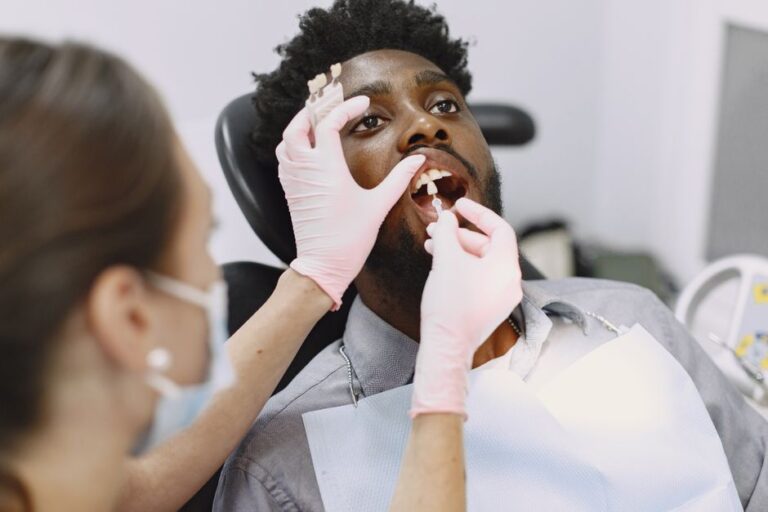
The first step is a thorough examination that includes digital X-rays or a 3D scan of your jaw. This gives your dentist a clear picture of bone density, the position of remaining teeth, and any underlying issues like gum disease that need to be addressed first.
From there, your dental team will walk you through the options that make sense for your specific case, including timelines, expected outcomes, and cost breakdowns. Many patients are surprised to learn that affordable tooth replacement plans, including payment options and insurance or Medicaid coverage, can make treatment far more accessible than they expected.
If bone loss has occurred, preparatory procedures like bone grafting or gum therapy may be recommended before placing implants. These steps add time to the overall process but significantly improve the success and longevity of the final restoration.
Can You Replace Missing Teeth After Many Years?
Yes. Replacing missing teeth after years is not only possible but increasingly common. Advances in implant technology, bone grafting materials, and prosthetic design mean that patients who were told years ago that they were not candidates may now have viable options.
The key is to get a current evaluation. Bone and gum conditions change over time, and what was not feasible a decade ago may be straightforward today. Even patients with significant bone loss can often receive implant-supported dentures or other fixed solutions after appropriate preparatory treatment.
Delaying further only allows the effects of tooth loss to progress. The sooner you schedule a consultation, the simpler and more affordable your treatment plan is likely to be.
Missing teeth affect far more than your smile. They influence how you eat, speak, and feel about yourself, and the longer they go unaddressed, the more complex treatment can become. The encouraging reality is that it is rarely too late to explore your options for replacing missing teeth.
Whether a single dental implant, a fixed bridge, a set of partial dentures, or a full-arch solution like all-on-4 implants is right for you, the first step is always the same: a professional evaluation tailored to your unique needs.
Smilerite Dental is here to help you find the right tooth replacement solution, no matter how long it has been. Reach out to schedule a consultation and take the first step toward restoring your smile, your comfort, and your confidence.
Frequently Asked Questions
Your Healthier Smile Starts Here
Our team is ready to welcome you. Book your appointment today and experience dental care that puts your comfort first.
Book an Appointment