The electric toothbrush vs manual toothbrush debate has been going on for years, and it is one of the most common questions patients ask during routine checkups at Smilerite Dental. Both options can keep your teeth clean, but they work differently, and one might be a better fit depending on your lifestyle, oral health needs, and budget.
So which one actually does a better job? The honest answer is that both can be effective when used correctly. But there are real, measurable differences in how each type removes plaque, protects your gums, and supports long-term dental health.
Whether you are a busy parent managing your family’s brushing routine, a working professional looking for convenience, or someone dealing with sensitivity or gum issues, this breakdown will help you make a confident choice. And if you are a Smilerite Dental patient, our team is always happy to give you a personalized toothbrush recommendation based on your specific needs.
Electric Toothbrush vs Manual Toothbrush: How They Compare
At the most basic level, a manual toothbrush relies entirely on your hand movements to clean teeth. An electric toothbrush uses a motor to generate rapid oscillating, rotating, or sonic vibrations that do much of the work for you.
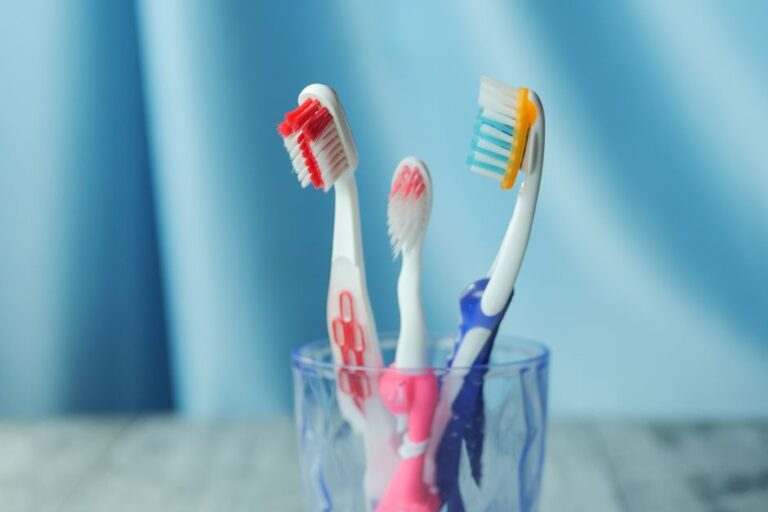
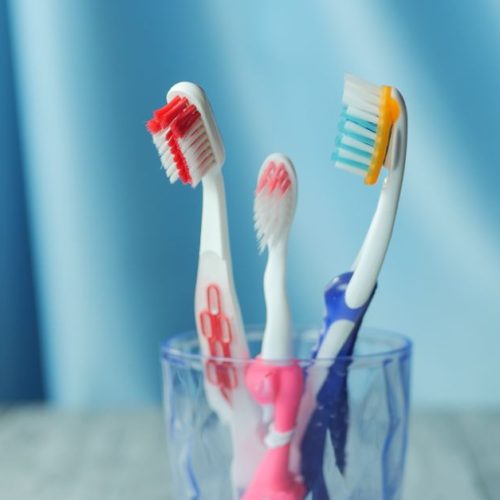
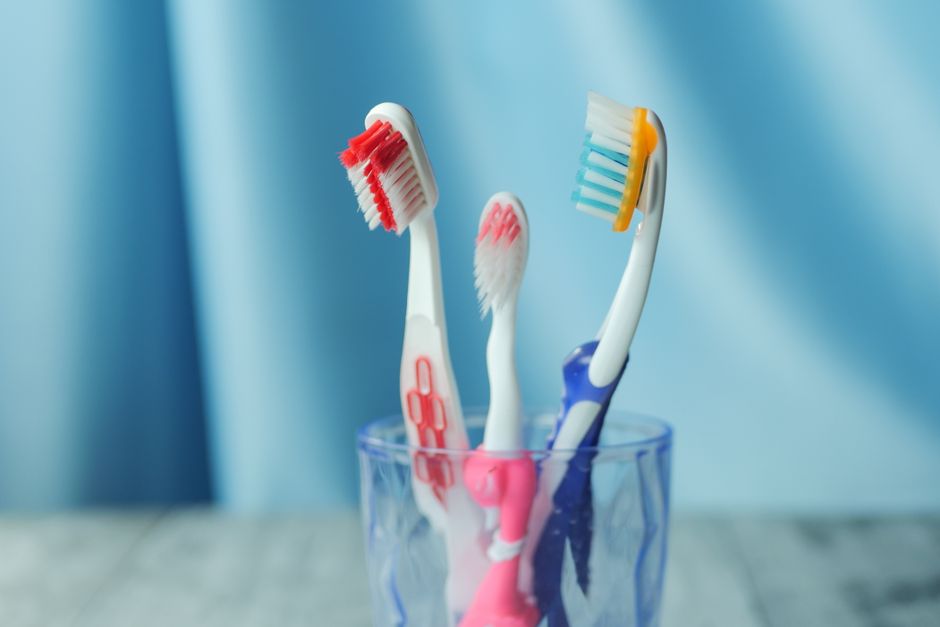
Manual toothbrushes have been around for centuries and remain a perfectly valid tool for oral hygiene. They are affordable, portable, and require no charging. Electric toothbrushes, on the other hand, offer technology-driven features like pressure sensors, built-in timers, and multiple brushing modes.
The key difference is not whether one “works” and the other does not. It is about consistency, technique, and how much effort each option requires to deliver thorough cleaning results.
Electric Toothbrush Benefits: What the Research Shows
Multiple clinical studies have found that electric toothbrushes remove more plaque than manual brushing, particularly oscillating-rotating models. A large-scale review published in the Cochrane Database found that electric toothbrush users had 21% less plaque and 11% less gingivitis after three months compared to manual toothbrush users.
Here are some of the most notable electric toothbrush benefits our Smilerite Dental team frequently discusses with patients:
Superior Plaque Removal
The oscillating toothbrush cleaning power of most electric models means they can reach areas that manual brushing often misses. The bristle heads spin or vibrate thousands of times per minute, breaking up plaque more effectively along the gumline and between teeth.
Built-In Pressure Control
Many electric toothbrushes come with pressure sensors that alert you when you are brushing too hard. This is a major advantage for patients with receding gums or enamel erosion. Electric toothbrush pressure control helps prevent damage while still delivering a deep clean.
Better for Limited Mobility
For children, elderly patients, or anyone with arthritis or limited dexterity, an electric toothbrush makes proper brushing technique much easier. The brush does the motion for you, which takes the guesswork out of correct brushing angles and movements.
Timed Brushing Sessions
Most electric models include a two-minute timer with 30-second interval alerts for each quadrant of your mouth. This ensures you are brushing long enough, something many manual brushers fall short on. Studies show the average person brushes for only 45 seconds with a manual toothbrush.
Manual Toothbrush Advantages You Should Not Overlook
Despite the strong case for electric options, manual toothbrushes still have genuine strengths. At Smilerite Dental, we never dismiss the value of a good manual brush, especially when a patient uses proper technique.
Affordability and Accessibility
A quality manual toothbrush costs a few dollars, while a decent electric model can range from $30 to over $200. For families on a budget or Medicaid-based patients looking for cost-effective dental solutions, manual toothbrushes remain a practical and reliable choice. There is no battery life to worry about and no replacement brush heads to buy.
Portability and Simplicity
Manual toothbrushes are lightweight, easy to travel with, and require zero maintenance. Manual toothbrush durability is also straightforward. You simply replace it every three to four months or when the bristles begin to fray, and you are good to go.
Full Control Over Technique
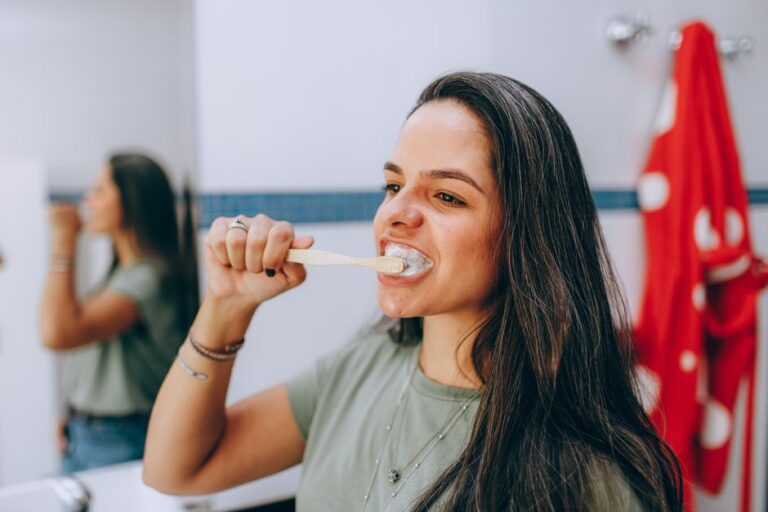
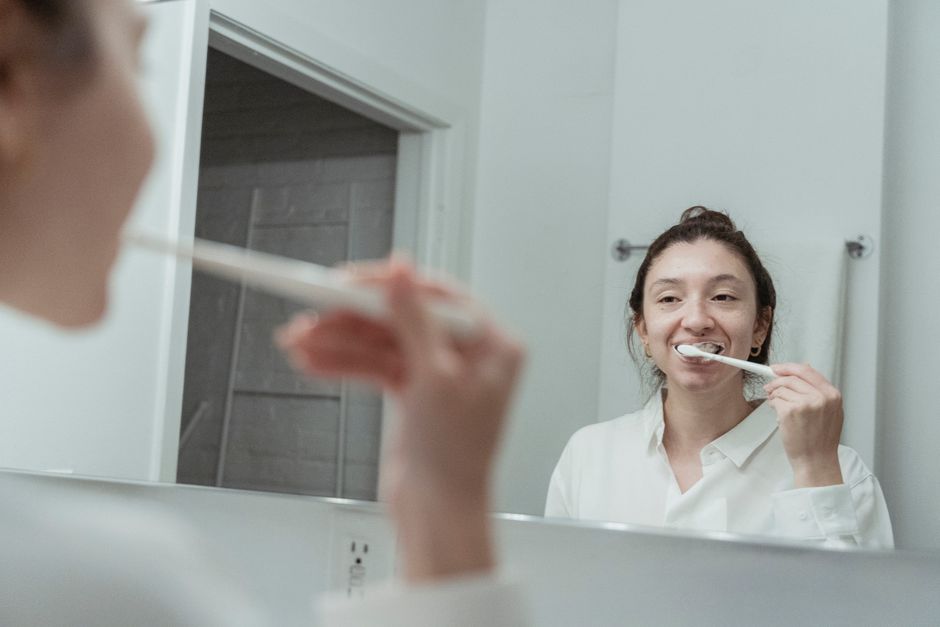
Some patients prefer the tactile feedback of a manual brush. With proper brushing technique, including gentle circular motions at a 45-degree angle along the gumline, a manual toothbrush can deliver excellent results. The key is committing to at least two full minutes of brushing, twice a day.
Which Is the Best Toothbrush for Oral Health?
The best toothbrush for oral health is the one you will actually use correctly and consistently. That sounds like a simple answer, but it is the truth.
If you tend to rush through brushing or struggle with reaching your back teeth, an electric toothbrush will likely give you better results. If you have a solid brushing routine and proper technique, a manual toothbrush can absolutely keep your mouth healthy.
For patients dealing with specific conditions like gum disease, sensitivity, or orthodontic appliances, our dentists at Smilerite Dental often lean toward recommending a sonic or oscillating electric toothbrush. The consistent motion and gentle pressure settings make a noticeable difference for gum health, and an electric toothbrush for sensitive teeth can be adjusted to a softer mode that minimizes discomfort.
What Smilerite Dental Recommends for Families
Because we serve families with children, working adults, and patients of all ages, our recommendations at Smilerite Dental are never one-size-fits-all.
For young children just learning to brush, a kid-friendly electric toothbrush with fun designs and gentle bristle technology can turn brushing into a positive habit. For adults juggling busy schedules, the convenience and efficiency of an electric brush saves time while improving results.
For patients who prefer manual brushing, we focus on coaching proper technique during preventive care visits. We also recommend soft-bristle brushes with compact heads that can reach tight spaces easily.
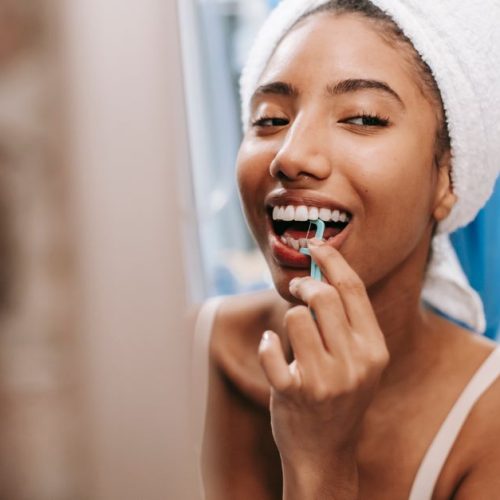
Regardless of which type you choose, pairing your brushing with interdental cleaning methods like floss or interdental brushes is essential. No toothbrush, electric or manual, can fully clean between teeth on its own.
Here are a few quick guidelines we share with our patients:
- Replace manual toothbrushes every 3 months
- Replace electric brush heads every 3 months as well
- Brush for a full 2 minutes, twice daily
- Use a soft-bristle head to protect enamel and gums
- Ask your Smilerite Dental provider for a personalized recommendation at your next visit
Electric Toothbrush Cost Comparison: Is It Worth the Investment?
Cost is a real factor for many patients, and it is worth breaking down.
A manual toothbrush costs between $1 and $5. Over a year, replacing it every three months, you are spending roughly $4 to $20 total.
An entry-level electric toothbrush starts around $25 to $40, with replacement heads running about $5 to $10 each. A mid-range sonic toothbrush can cost $60 to $100. High-end models with app connectivity and travel cases can exceed $200.
So yes, electric toothbrushes are a bigger upfront investment. But many patients find the improved cleaning performance, reduced dental issues, and lower risk of costly restorative treatments make the investment worthwhile over time.
At Smilerite Dental, we help patients weigh these factors during preventive care appointments so you can make a decision that fits your budget and your oral health goals.
The electric toothbrush vs manual toothbrush question does not have a single right answer for everyone. Electric toothbrushes offer clear advantages in plaque removal, ease of use, and consistency. Manual toothbrushes remain affordable, portable, and effective when paired with proper technique.
What matters most is that you brush twice a day for two full minutes, use a soft-bristle brush, and complement your routine with flossing or interdental cleaning. Whichever type you choose, consistent and correct use will always outperform the fanciest tool used poorly.
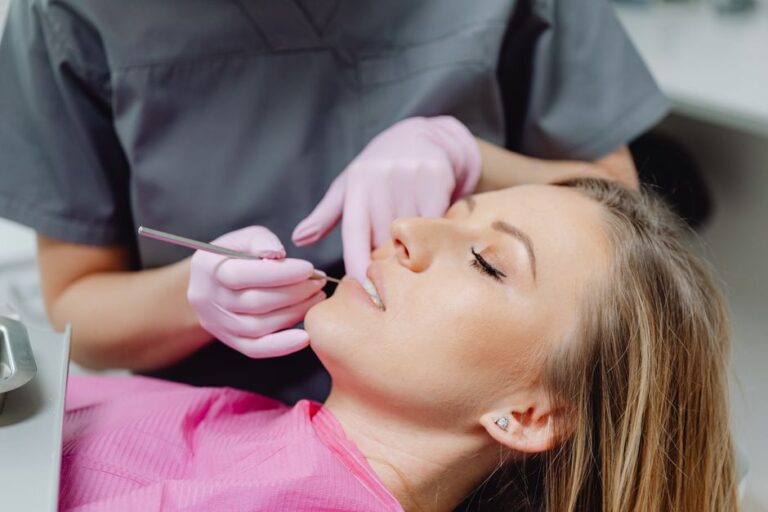
At Smilerite Dental, we are here to help you and your family find the right approach for healthier teeth and gums. Whether you need a routine checkup, preventive care guidance, pediatric dental services, or restorative and cosmetic treatments, our team provides personalized care in a comfortable, family-friendly environment.
Schedule your next appointment with Smilerite Dental and let us help you build a brushing routine that works for your smile.
Frequently Asked Questions
Do electric toothbrushes really clean better than manual ones?
Yes, studies show electric toothbrushes remove significantly more plaque and reduce gingivitis compared to manual brushing.
How often should I replace my toothbrush or brush head?
Both manual toothbrushes and electric brush heads should be replaced every three months or sooner if the bristles are frayed.
Is an electric toothbrush worth the extra cost?
For most people, the improved plaque removal and built-in features of an electric toothbrush make it a worthwhile investment in long-term oral health.