You bite into a piece of chocolate or sip a sweet iced tea, and suddenly there it is: a sharp, uncomfortable zing shooting through your tooth. If this sounds familiar, you’re not alone. Tooth sensitivity to sugar is one of the most common dental complaints for both kids and adults, and it almost always signals that something needs attention.
The good news is that the pain is your body’s way of sending a message. The not-so-great news is that ignoring it usually makes things worse. Whether the issue turns out to be early decay, worn enamel, or something more advanced, catching it early can save you time, money, and a lot of discomfort.
As a trusted family dentist in Houston TX, the team at Smilerite Dental sees this concern regularly. Below, we’ll walk through the most common reasons sweets make your teeth hurt, what you can do about it, and when it’s time to schedule a visit.
What Actually Causes Tooth Pain When You Eat Sugar?
Sugar itself doesn’t directly damage your teeth. What actually happens is a chain reaction. When sugar lands on your teeth, the bacteria already living in your mouth feed on it and produce acid. That acid attacks your enamel, which is the hard outer shell protecting each tooth.
Over time, repeated acid attacks weaken the enamel and create tiny openings. Once those openings form, sugar and temperature changes can reach the sensitive inner layers of your tooth, specifically the dentin and the nerve. That’s when you feel the sting.
So the pain you experience isn’t caused by sugar alone. It’s caused by damage that sugar helped create, combined with existing vulnerability in the tooth structure.
Common Reasons Your Teeth Are Sensitive to Sweets
Several conditions can make your teeth react to sugary foods and drinks. Some are mild and easily treated, while others need prompt professional care.
Enamel Erosion
Enamel wears down gradually from acidic foods, aggressive brushing, teeth grinding, and age. Once it thins out, the dentin underneath is exposed. Dentin contains microscopic tubes that connect directly to the nerve, so sugar triggers an immediate painful response.
This is especially common in adults who consume a lot of citrus, soda, or coffee. Children who snack frequently on sticky or sugary foods are also at higher risk.
Cavities and Tooth Decay
A cavity is essentially a hole in your tooth caused by prolonged acid exposure. When sugar enters that hole, it reaches the deeper, more sensitive parts of the tooth. If you notice consistent pain in one specific tooth when eating sweets, decay is one of the most likely explanations.
Cavities are one of the top reasons families visit our Houston family dental clinic, and the earlier they’re caught, the simpler and more affordable the treatment.
Receding Gums
When gum tissue pulls away from the tooth, it exposes the root surface. Tooth roots don’t have the same protective enamel layer, so they’re much more reactive to sugar, heat, and cold. Gum recession can result from gum disease, hard brushing, or simply genetics.
Cracked or Damaged Teeth
A crack in a tooth, even a tiny one you can’t see, gives sugar a direct path to the nerve. This kind of sensitivity often comes and goes, making it tricky to diagnose on your own. A dental exam with digital imaging can reveal fractures that are invisible to the naked eye.
Old or Worn Fillings
Fillings don’t last forever. As they age, the seal between the filling and the tooth can break down, allowing bacteria and sugar to sneak underneath. If you had dental work done years ago and are now noticing new sensitivity, the restoration may need to be replaced.

Is Sugar Sensitivity Different in Children?
Children’s teeth have thinner enamel than adult teeth, which means they can develop sensitivity and cavities faster. Kids also tend to consume more sugary snacks and drinks throughout the day, giving bacteria more fuel to produce acid.
If your child complains that candy or juice makes their teeth hurt, take it seriously. Early childhood cavities can affect the development of permanent teeth if left untreated. A pediatric dentist for kids in Houston or a general family dental practice like Smilerite Dental can evaluate the issue quickly and comfortably.
Sedation dentistry for children and adults is available for patients who feel anxious, making the experience much easier for younger kids and nervous grown-ups alike.
How to Reduce Tooth Sensitivity to Sweets at Home
While professional treatment is the only way to fix underlying problems like cavities or gum disease, there are a few things you can do at home to manage mild sensitivity:
- Use a toothpaste formulated for sensitive teeth. These products contain ingredients that help block the pathways to the nerve.
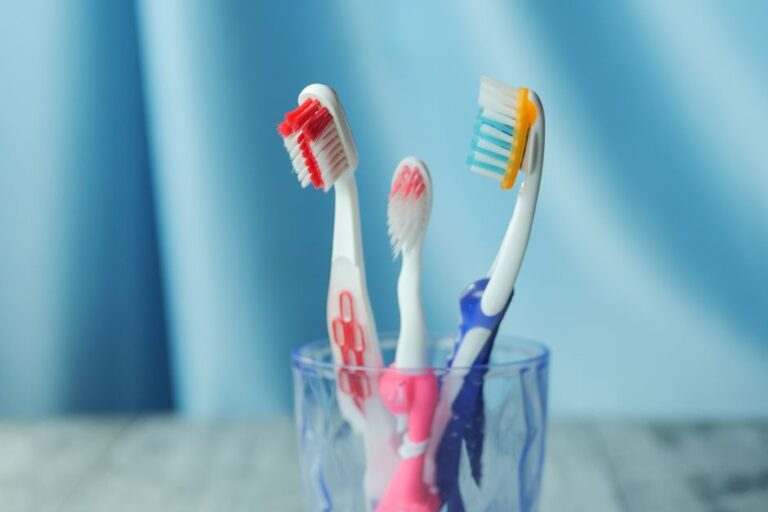
- Brush gently with a soft-bristled toothbrush. Hard brushing strips away enamel over time.
- Rinse your mouth with water after eating sweets instead of brushing immediately. Brushing right after acid exposure can do more harm than good.
- Limit sugary snacks between meals. Constant snacking keeps the acid cycle going throughout the day.
- Stay consistent with dental cleanings and checkups for your whole family.
These habits make a real difference, but they’re meant to support professional care, not replace it.
When Should You See a Family Dentist in Houston TX?
Mild, occasional sensitivity that comes and goes might not be an emergency. But there are clear signs that you should schedule a visit sooner rather than later:
- The pain happens every time you eat or drink something sweet
- Sensitivity is getting worse or lasting longer
- You can see a dark spot, hole, or discoloration on a tooth
- Your gums are red, swollen, or bleeding
- A child is avoiding certain foods or complaining about tooth pain regularly
If any of these apply, it’s worth getting an exam. Smilerite Dental offers same-day dental appointments in Houston and welcomes walk-in patients, so you don’t have to wait weeks for answers. The practice also accepts family dental insurance and Medicaid, making affordable family dentistry in Houston accessible to more households.
What to Expect During a Dental Visit for Tooth Sensitivity
Your dentist will start with a thorough exam, including digital X-rays if needed, to pinpoint exactly what’s causing the pain. From there, the treatment depends on the diagnosis.
A small cavity might need a simple filling. Enamel erosion could be addressed with fluoride treatments or dental sealants. Gum recession may require a deeper cleaning or a referral for periodontal care. Cracked teeth might need a crown or bonding.
At Smilerite Dental, the goal is always to provide multi-generational dental care in one convenient location. Whether it’s your toddler’s first checkup or your own restorative treatment, everything is handled under one roof by a team that speaks both English and Spanish.
Tooth pain when eating sweets is your body’s early warning system. It might mean weakened enamel, a developing cavity, receding gums, or a cracked tooth. Whatever the cause, the sooner it’s addressed, the more treatment options you have and the less it’s likely to cost.
Don’t wait for mild sensitivity to become a full-blown toothache. If you or your child are dealing with this kind of discomfort, a quick visit can provide answers and relief.
Smilerite Dental is currently accepting new patients across Houston. Whether you need a routine cleaning, an urgent evaluation, or a same-day appointment, the team is ready to help your whole family smile comfortably again.
Frequently Asked Questions
Why do my teeth hurt when I eat sweets?
Sugar feeds bacteria in your mouth that produce acid, and when that acid wears down your enamel or reaches a cavity, the exposed nerve reacts with pain.
Does tooth sensitivity to sugar always mean I have a cavity?
Not always, since enamel erosion, gum recession, cracked teeth, and worn fillings can also cause sensitivity to sugar.
Should I take my child to the dentist if sweets hurt their teeth?
Yes, because children’s thinner enamel makes them more prone to cavities, and early treatment prevents bigger problems with their permanent teeth.
Can I walk in to see a dentist in Houston for tooth sensitivity?
Yes, Smilerite Dental in Houston accepts walk-in patients and offers same-day appointments for tooth pain and sensitivity concerns.
How can I stop my teeth from being sensitive to sugar?
Use a sensitive-teeth toothpaste, brush gently, limit sugary snacks, and see your dentist for an exam to treat any underlying issues like decay or enamel loss.